Tag: Mazda Maintenance

  • Practical Honda & Mazda Advice from a Mechanic in Nairobi

    Practical Honda & Mazda Advice from a Mechanic in Nairobi

    If you own a Honda or Mazda and are looking for a mechanic in Nairobi, Kenya, it’s important to understand how the city’s busy traffic, rough roads and dusty, hot weather affect your vehicle. Even small things like low coolant or worn brake pads can turn into big, expensive repairs when left unchecked.

    That’s why this guide covers the most important maintenance tips and what to look for when choosing a mechanic in Nairobi, Kenya, so you can keep your Honda or Mazda running smoothly.

    Nairobi’s Roads and Climate: A Tough Test for Cars

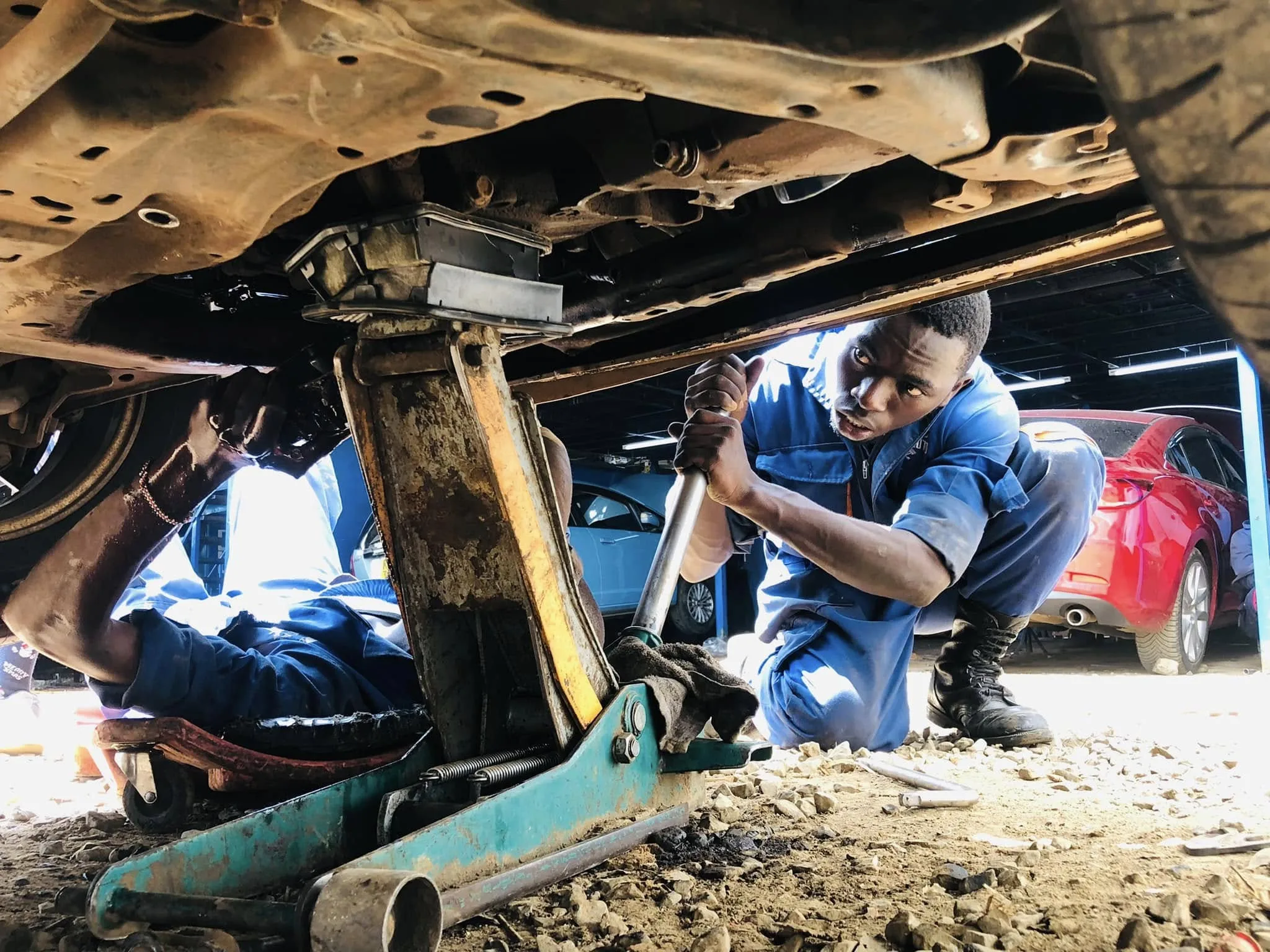
    In Nairobi, one day you’re cruising on a freshly tarmacked road, the next you’re dodging potholes and uneven surfaces. Because of this, suspension parts like shocks, struts and control arms wear down much faster.

    On top of that, many drivers overload their cars when tackling rough roads, which puts even more strain on the springs and struts.

    Then there’s the heat and dust. During the dry season, engines and batteries struggle in high temperatures, and dusty air clogs up filters much quicker than normal.

    That’s why it’s important to stay on top of basic checks things like using the right coolant mix (always 50/50, never plain tap water) and inspecting your radiator hoses regularly. Following the recommended service schedule really makes a difference in these conditions.

    Honda vs. Mazda: Different Designs, Similar Care

    While road conditions affect both brands, it’s also important to understand how their engines differ.

    Honda’s engines (like i-VTEC and Earth Dreams) are engineered for a balance of power and fuel economy, and they require the correct oil viscosity and timing to perform well.

    On the other hand, Mazda’s Skyactiv engines use very high compression ratios to boost efficiency. In Kenya’s hilly terrain, Mazda’s extra torque and fuel savings can be a real advantage.

    In both brands, using manufacturer-recommended fluids and high-quality parts keeps the systems working properly.
    However, skipping scheduled maintenance on valves, spark plugs, or filters will reduce performance and reliability over time.

    Essential Maintenance Checklist

    Stay on top of routine care for peace of mind and to avoid breakdowns. Follow the manufacturer’s service schedule (which usually means oil and filter changes every 5,000–10,000 km, even closer in dusty heat), and do extra checks for local conditions.

    Here are the key tasks:

    Engine & Cooling System Care

    • Engine Oil & Filter: Change every 5,000–10,000 km (more often in stop-and-go city use). Fresh oil prevents sludge and reduces wear.

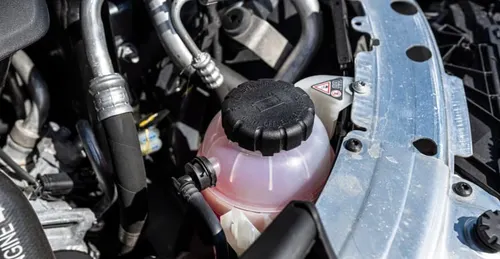
    • Cooling System: Check coolant level and quality at each visit. Use a 50/50 coolant mix and inspect radiator, hoses, and clamps for cracks. A clean radiator and working fan are essential in Nairobi’s heat.
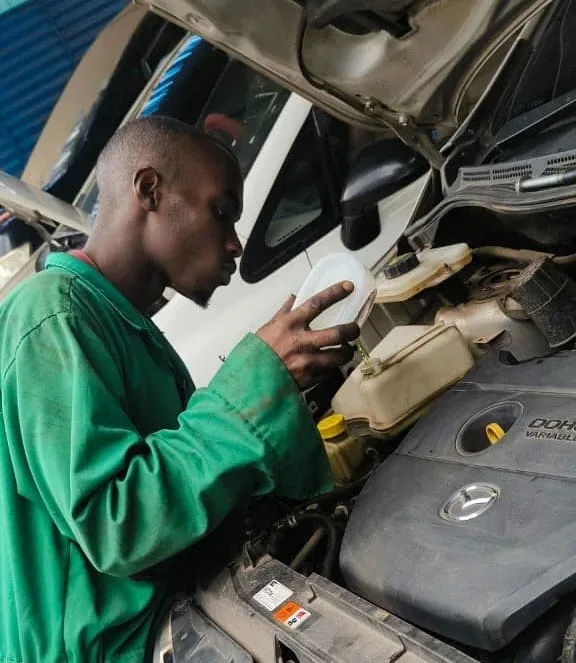
      Mechanic in Nairobi inspecting fluid levels under the hood of a Mazda vehicle
      Topping up coolant during routine service helps Mazda owners prevent overheating in Nairobi’s hot traffic conditions.

    Air, Brake and Electrical Components

    • Air Filters (Engine & Cabin): Replace engine air filter every 15,000–30,000 km. Cabin/AC filters should be changed every 15,000–20,000 km.

    • Brakes: Inspect pads, rotors and fluid every 10,000–15,000 km. Replace pads promptly and flush the brake fluid every 2–3 years to avoid moisture build-up.

    • Battery & Electrical System: Test the battery annually. Replace the battery once it’s around 3–4 years old, and clean terminals regularly.

    Tyres, Suspension & Drivetrain

    • Tyres & Wheels: Check pressure every two weeks. Rotate tyres every 8,000–10,000 km. Uneven roads in Nairobi often cause blowouts and alignment problems, so keep an eye on cracks or bulges.

    • Suspension & Steering: Inspect shocks, struts and bushings yearly. If you hear clunks or feel a bumpy ride, have a mechanic check the suspension system.

    • Transmission & Drivetrain: Change transmission fluid every 40,000–60,000 km. Listen for unusual noises and service the differential or transfer case (if fitted).

    • Belts, Hoses & Spark Plugs: Inspect belts and hoses at each oil change and replace if cracked. Replace timing belts on schedule (~160,000 km) and change spark plugs around the 80,000 km mark.
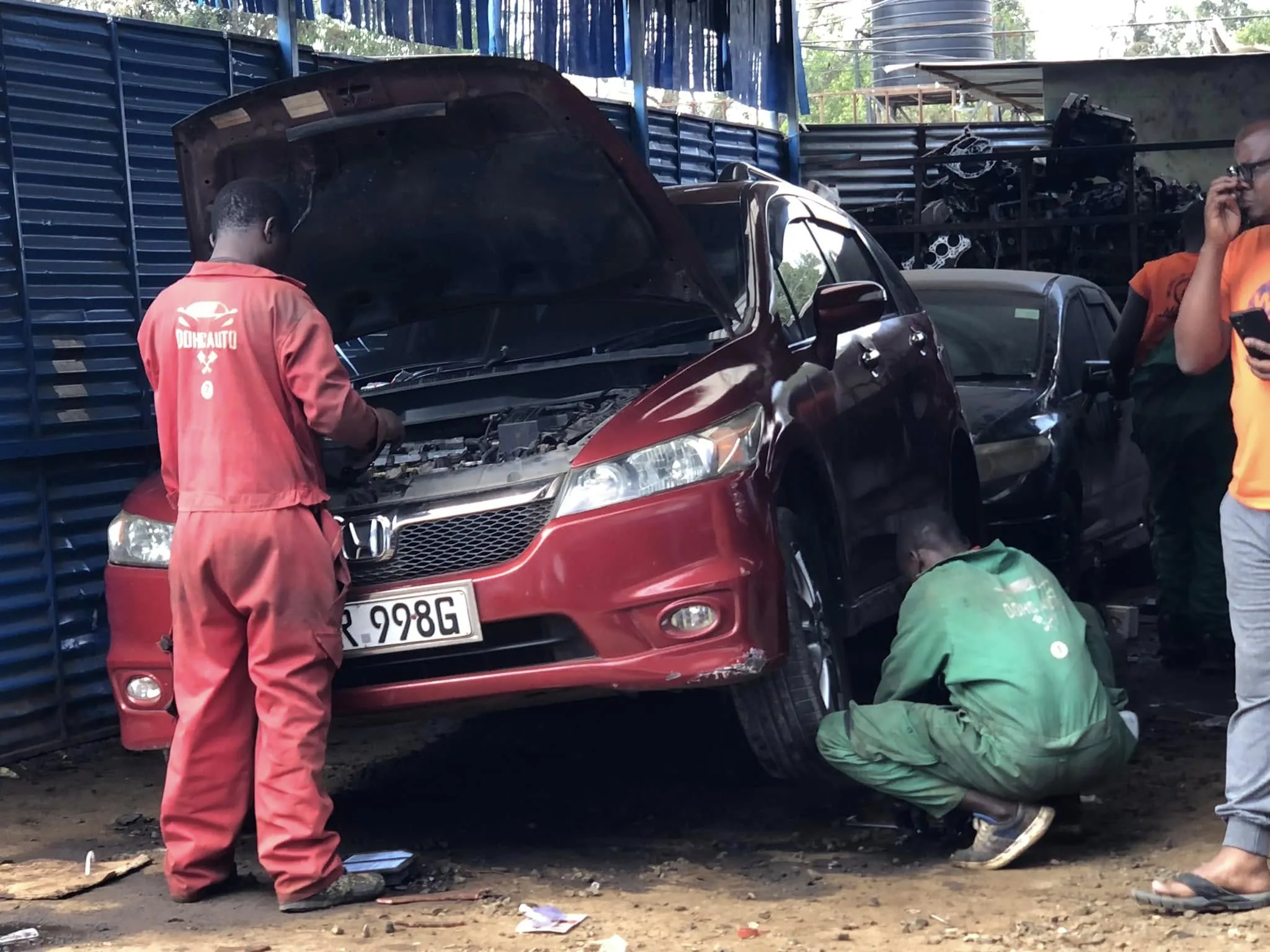
    Two mechanics in a Nairobi garage inspecting a red Honda vehicle, one checking the engine and another working on the front wheel.
    Two mechanics at Dohc Auto in Nairobi inspect a Honda, one checking the engine and the other working on the front wheel to prevent breakdowns.

    By performing all these checks on schedule, you “invest” in your car’s reliability: routine upkeep prevents small issues from becoming costly repairs.

    Using Proper Parts: OEM vs. Aftermarket

    For Honda and Mazda vehicles, using the correct parts makes a big difference in durability.
    Original Equipment Manufacturer (OEM) parts fit perfectly and usually last longer. In contrast, aftermarket parts vary in quality and don’t always perform the same.

    That said, reputable garages in Nairobi can source either OEM or high-quality aftermarket parts. Just make sure the parts meet Honda/Mazda specifications and keep a record of what has been replaced.

    Choosing the Right Mechanic in Nairobi, Kenya for Your Honda or Mazda

    Finding a mechanic in Nairobi who understands Hondas and Mazdas is key. Look for shops certified or highly experienced with these brands, as they know the specific systems such as i-VTEC and Skyactiv.
    They will also use proper diagnostic tools and follow the correct service procedures.

    Moreover, it’s wise to ask about warranties and read reviews from other owners. Building a relationship with one trusted garage often leads to better service, faster turnaround and clear advice.

    Ultimately, working with an experienced mechanic in Nairobi, Kenya, and following a proactive maintenance schedule is the best way to keep your Honda or Mazda safe, reliable and cost-effective on local roads.

    If you’re unsure where to begin, feel free to reach out and ask for guidance. A reliable mechanic in Nairobi, Kenya, should always be able to advise you on the next steps, even before any work begins.

    You can visit our contact page to request an inspection or ask about our Honda and Mazda services. While the service isn’t free, we’ll always let you know the cost upfront so you can make an informed decision.
  • Why Coolant Leakage is a Serious Issue for Mazda Car Engines

    Why Coolant Leakage is a Serious Issue for Mazda Car Engines

    If you drive a Mazda in Kenya, one of the most critical but often overlooked aspects of car maintenance is coolant leakage. Coolant is essential for regulating your car’s engine temperature  and neglecting coolant issues can result in serious engine damage and expensive repairs.

    Whether you’re navigating city traffic in Nairobi or rough rural roads, checking your Mazda’s coolant regularly can save you from breakdowns and long-term engine failure.

    CDN media| coolant leakage
    coolant leakage

    What is Coolant and Why is it Important?

    Coolant, also known as antifreeze, is a liquid that circulates through your car’s engine to regulate its temperature. It prevents the engine from overheating in high temperatures and freezing in cold conditions.

    For Mazda vehicles, especially those with SkyActiv engines, efficient cooling is vital for optimal performance and fuel economy. The engine components are precision-engineered, making them more susceptible to heat damage if coolant levels are low or leaking.


    Causes of Coolant Leakage in Mazda Cars

    Coolant leakage can be caused by several mechanical issues, including:

    • Aging or damaged hoses and pipes that crack over time

    • A faulty radiator or worn-out radiator cap

    • Water pump failure, which is crucial for circulating coolant

    • Cracks in the engine block or head gasket failure

    • Loose clamps or weak connections in the cooling system

    • Damage from rough roads, potholes, or flooding – common in Kenya


    Signs of Coolant Leakage to Watch Out For

    Spotting coolant leakage early can prevent major damage. Look out for these symptoms:

    • Puddles of green, orange, or pink fluid under your car

    • Engine temperature warning light turning on

    • A sweet smell around or inside the vehicle

    • Low coolant level in the reservoir

    • Steam from the hood, especially in traffic or after a long drive

    If you notice any of these, don’t ignore them — act quickly!


    Consequences of Ignoring Coolant Leakage in Mazda Cars

    Failing to fix a coolant leak can lead to:

    • Engine overheating, which can warp or crack the engine block

    • Cylinder head gasket failure, requiring expensive repairs

    • Reduced fuel efficiency due to engine stress

    • Complete engine failure, potentially needing a full replacement

    • Breakdowns that can leave you stranded on Kenyan roads


    How to Check for Coolant Leaks and Prevent Engine Damage

    Here are some practical tips to keep your Mazda safe:

    • Check coolant levels weekly, especially before long drives

    • Inspect hoses and radiator for cracks or leaks

    • Look for fluid under the car every morning

    • Have a mechanic perform pressure tests if overheating is frequent

    • Use genuine Mazda coolant or recommended alternatives

    • Avoid rough or flooded roads, especially during Kenya’s rainy seasons

    • Don’t top up coolant with plain water — it dilutes its effectiveness


    Professional Repair and Maintenance Options in Kenya

    If you’re unsure, take your car to a certified Mazda service center in Kenya or a reputable auto repair shop. A qualified mechanic can run diagnostics, replace faulty parts, and ensure your cooling system is fully functional.

    Ask about warranty coverage or Mazda maintenance plans  they can help reduce long-term repair costs.


    Book a Trusted Mechanic in Nairobi for Your Honda or Mazda

    Coolant leakage in your Mazda might seem like a small issue, but it can snowball into major engine failure if left unchecked. Regularly inspecting coolant levels, watching for warning signs, and sticking to a proper maintenance schedule can keep your car running smoothly  and protect your investment.

    Don’t wait for small issues to turn into costly repairs. Keep your car safe, reliable, and efficient with DOHC Auto  your trusted Mazda and Honda service specialists.

    Location: Mirema Lane Opp. PAC University
    Phone: 0741 206 350 / 0708 817 551
    Email: info@dohc-auto.co.ke
    Website: dohc-auto.co.ke

  • Improve Your Fuel Efficiency in Nairobi – Expert Tips from DOHC Auto Lab

    Improve Your Fuel Efficiency in Nairobi – Expert Tips from DOHC Auto Lab

    If your fuel costs keep rising despite driving the same routes, you’re not alone. Nairobi’s stop-and-go traffic, unpredictable road conditions, and rising fuel prices are putting a big dent in many drivers’ budgets.

    At DOHC Auto Lab, Nairobi’s leading Honda and Mazda repair specialists, we know how important fuel efficiency is for everyday driving. Whether you own a Honda Fit, CR-V, Accord, Vezel, Stream or a Mazda Axela, Demio, CX-5, improving fuel economy isn’t just about saving money — it also extends your car’s life and reduces harmful emissions.

    We’ve helped hundreds of Kenyan drivers achieve better mileage through expert maintenance, high-quality parts, and proven driving tips.

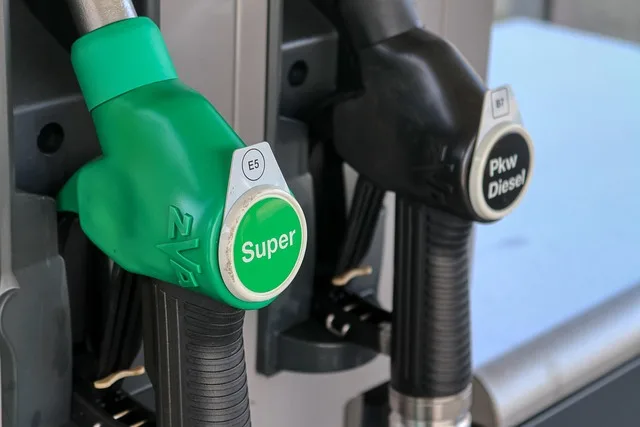
    Fuel. Free Refuel Gas Station photo and picture


    Why Is My Car’s Fuel Efficiency Dropping?

    Here are the Top 5 most common causes of poor fuel economy — and how our expert team at DOHC Auto Lab fixes them.


    1. Underinflated Tyres

    Symptoms:

    • Car feels heavy or sluggish.

    • You notice uneven tyre wear.

    • Reduced mileage despite normal driving habits.

    Why it matters: Low tyre pressure increases rolling resistance, making your engine work harder and burn more fuel.

    Our Fix: We check your tyre pressure with precision gauges and inflate to manufacturer-recommended PSI. We also inspect for punctures, worn treads, and alignment issues.


    2. Dirty or Clogged Air Filter

    Symptoms:

    • Poor acceleration.

    • Engine struggles on hills.

    • Black smoke from exhaust.

    Why it matters: A clogged air filter restricts airflow to the engine, causing inefficient fuel combustion.

    Our Fix: We replace old filters with OEM-quality air filters to ensure optimal airflow and better fuel burn.


    3. Worn Spark Plugs

    Symptoms:

    • Misfiring engine.

    • Rough idling.

    • Drop in fuel mileage.

    Why it matters: Spark plugs ignite the air-fuel mixture. Worn plugs cause incomplete combustion, wasting fuel.

    Our Fix: We fit genuine Honda or Mazda spark plugs, restoring smooth performance and fuel efficiency.


    4. Poor Driving Habits

    Symptoms:

    • Aggressive acceleration and braking.

    • Prolonged idling in traffic.

    • Frequent short trips.

    Why it matters: Sudden throttle changes and idling consume excess fuel, especially in Nairobi’s stop-and-go jams.

    Our Fix: We advise on fuel-saving driving techniques and, if needed, carry out ECU diagnostics to ensure your engine responds efficiently.


    5. Engine or Fuel System Problems

    Symptoms:

    • Strong fuel smell.

    • Loss of power.

    • Check Engine light on.

    Why it matters: Fuel injector issues, oxygen sensor faults, or a failing fuel pump can all increase fuel consumption.

    Our Fix: We use advanced OBD scanning tools to detect faults and replace defective parts with Honda- and Mazda-approved components.


    How DOHC Auto Lab Improves Your Fuel Economy

    • Specialized Honda & Mazda Diagnostics – We pinpoint causes of poor mileage quickly.

    • Genuine OEM Parts – Better performance and durability.

    • Experienced Technicians – Over 10 years serving Nairobi drivers.

    • Fast Turnaround – Most jobs done the same day.

    • Transparent Pricing – No hidden costs.


    Fuel-Saving Tips for Kenyan Drivers

    • Keep tyres inflated to the correct pressure.

    • Service your car every 10,000 km or as per manufacturer recommendations.

    • Avoid carrying unnecessary weight.

    • Drive smoothly — avoid harsh braking and sudden acceleration.

    • Use quality fuel from trusted stations.

    • Plan routes to avoid traffic where possible.


    Contact DOHC Auto Lab – Nairobi’s Honda & Mazda Experts

    Don’t let poor fuel efficiency drain your wallet. Visit DOHC Auto Lab for professional servicing and fuel-saving solutions.

    📍 Location: Mirema Lane Opp. PAC University
    📞 Call: 0741 206 350 / 0708 817 551
    🌐 Website: dohc-auto.co.ke

    DOHC Auto Lab – Keeping Your Honda & Mazda Fuel-Efficient, Reliable, and Road-Ready in