Honda vehicles are known for reliability, fuel efficiency, and long-term durability. However, even the most dependable vehicle requires regular maintenance to perform at its best. Therefore, many Honda owners ask, How Often Does a Honda Need Maintenance?
The answer depends on several factors. These include the model, driving habits, road conditions, and mileage. Moreover, following a consistent maintenance schedule helps reduce repair costs and extend the life of your vehicle.
At DOHC Auto, we help Honda owners keep their vehicles in excellent condition through professional servicing and expert inspections. Consequently, drivers enjoy better performance, improved safety, and fewer unexpected breakdowns.
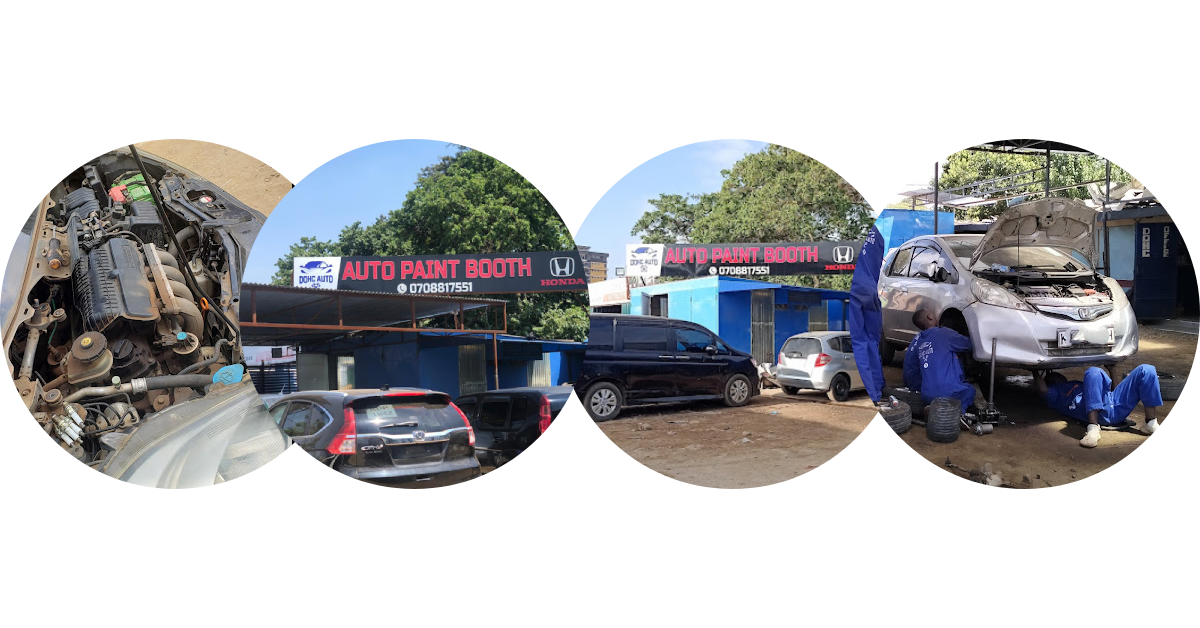
Regular Honda maintenance helps improve performance, safety, fuel economy, and vehicle lifespan.
How Often Does a Honda Need Maintenance?
Most Honda vehicles require maintenance at specific mileage or time intervals. However, modern Honda models often use a Maintenance Minder system that monitors driving conditions and vehicle performance.
Generally, routine maintenance should be performed every few thousand kilometers or according to the manufacturer’s recommendations. Therefore, checking your owner’s manual remains important.
Common maintenance intervals may include:
- Engine oil changes
- Oil filter replacement
- Tire rotation
- Brake inspections
- Fluid checks
- Battery testing
- Air filter replacement
- Transmission inspections
Additionally, severe driving conditions may require more frequent servicing.
Why Regular Honda Maintenance Matters
Routine maintenance protects your investment. Moreover, it helps identify problems before they become costly repairs.
Without proper servicing, small issues can quickly grow into major mechanical failures. Consequently, repair costs increase significantly.
Improved Reliability
Regular maintenance keeps essential systems operating properly. Therefore, your Honda remains dependable for daily driving.
Better Fuel Economy
Clean filters, fresh oil, and properly functioning components improve efficiency. As a result, your vehicle uses less fuel.
Enhanced Safety
Routine inspections identify worn brakes, damaged tires, and suspension issues. Consequently, you enjoy safer driving conditions.
Higher Resale Value
A documented service history increases buyer confidence. Moreover, well-maintained vehicles often command higher resale prices.
Essential Honda Maintenance Schedule
Although service schedules vary slightly between models, several maintenance tasks are common across most Honda vehicles.
Engine Oil and Oil Filter Changes
Engine oil lubricates critical engine components. Therefore, regular oil changes are essential for engine health.
Fresh oil reduces friction, minimizes wear, and helps maintain proper engine temperature.
Tire Maintenance
Tires should be inspected regularly for wear and damage. Additionally, tire rotation promotes even wear.
Proper tire maintenance improves handling, fuel economy, and safety.
Brake System Inspection
Brake components naturally wear over time. Therefore, routine inspections help maintain stopping performance.
Furthermore, early brake repairs often cost less than major brake system replacements.
Fluid Checks
Several fluids support vehicle operation. These include:
- Engine oil
- Coolant
- Brake fluid
- Transmission fluid
- Power steering fluid
- Windshield washer fluid
Consequently, regular fluid inspections help prevent expensive damage.
How Driving Conditions Affect Maintenance Frequency
Not every Honda experiences the same operating conditions. Therefore, maintenance needs may vary.
City Driving
Frequent stop-and-go traffic increases wear on brakes and engine components. As a result, servicing may be required more often.
Highway Driving
Highway driving generally places less stress on the engine. However, routine inspections remain important.
Dusty Roads
Dust can clog air filters faster. Therefore, filter inspections become more critical.
Heavy Loads
Towing or carrying heavy cargo places additional strain on the transmission and suspension. Consequently, maintenance intervals may shorten.
Common Honda Problems Prevented by Routine Maintenance
Preventive maintenance helps reduce the risk of many common vehicle issues.
Engine Wear
Regular oil changes protect engine components. Therefore, they help prevent premature wear.
Brake Failure
Brake inspections identify worn pads before they affect safety.
Battery Problems
Battery testing helps detect weak batteries before failure occurs.
Cooling System Issues
Coolant maintenance helps prevent overheating and engine damage.
Transmission Problems
Routine transmission inspections help identify issues early. Consequently, major repairs become less likely.
Benefits of Professional Honda Maintenance
Professional servicing provides several advantages over delaying maintenance.
- Accurate inspections
- Professional diagnostics
- Improved vehicle reliability
- Enhanced safety
- Better fuel economy
- Longer vehicle lifespan
- Lower repair costs
- Higher resale value
Moreover, professional technicians understand Honda systems and maintenance requirements.
Expert Tips for Honda Owners
First, Follow Maintenance Minder Alerts
If your Honda includes a Maintenance Minder system, follow its recommendations. Therefore, servicing occurs when needed.
Second, Do Not Ignore Warning Lights
Dashboard alerts often indicate developing issues. Consequently, prompt action can prevent expensive repairs.
Next, Use Quality Parts
High-quality replacement parts generally provide better performance and durability.
Additionally, Monitor Tire Pressure
Proper tire pressure improves handling and fuel economy. Furthermore, it reduces tire wear.
Finally, Schedule Routine Inspections
Regular inspections identify hidden problems before they become major concerns.
Why Choose DOHC Auto for Honda Maintenance?
DOHC Auto provides professional Honda servicing, diagnostics, and repairs. Moreover, our technicians use advanced equipment to identify issues accurately.
We focus on preventive maintenance because it helps customers avoid costly breakdowns. Consequently, your Honda remains reliable and efficient throughout its lifespan.
To book a service appointment, visit our contact page.
You may also explore useful resources from SpotOn Vacations and Nur Fertility.
Frequently Asked Questions
1. How Often Does a Honda Need Maintenance for oil changes?
Oil change intervals vary by model and driving conditions. However, regular inspections help determine the ideal schedule.
2. How Often Does a Honda Need Maintenance if driven daily?
Daily driving may require more frequent inspections, especially in heavy traffic conditions.
3. Can skipping maintenance damage my Honda?
Yes. Delayed maintenance can lead to increased wear, reduced efficiency, and costly repairs.
4. How Often Does a Honda Need Maintenance for brake inspections?
Brake inspections should be performed during routine service visits to ensure optimal safety.
5. Does regular maintenance increase resale value?
Yes. Vehicles with complete service records often attract more buyers and higher offers.
Conclusion: How Often Does a Honda Need Maintenance?
If you are wondering How Often Does a Honda Need Maintenance?, the answer depends on mileage, driving habits, and operating conditions. However, routine maintenance remains the key to long-term reliability and lower ownership costs.
Moreover, regular servicing improves fuel efficiency, safety, and overall performance. Therefore, staying consistent with maintenance schedules helps protect your investment.
Contact DOHC Auto today for professional Honda servicing, diagnostics, and expert maintenance solutions. Our experienced team is ready to keep your Honda performing at its best for years to come.